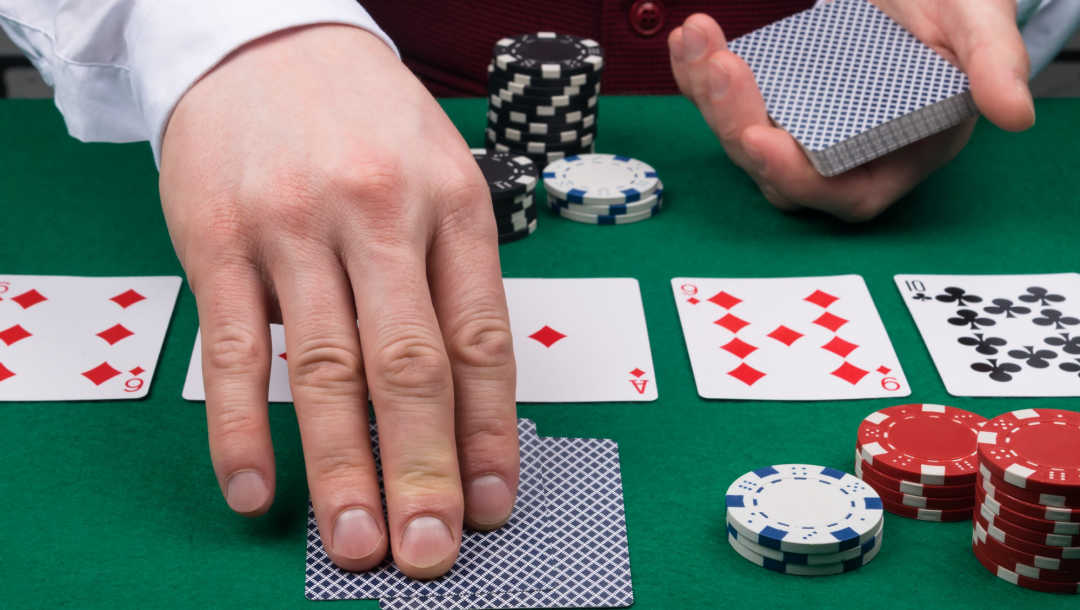
The allure of the casino environment
The casino environment is meticulously designed to captivate the senses and create an inviting atmosphere that encourages players to engage. From the bright lights to the sounds of coins clinking and delightful music playing, every element plays a role in creating a euphoric and almost hypnotic ambiance. This careful orchestration aims to immerse players in a realm of possibility, a place where winning seems just within reach, especially when considering a fast withdrawal online casino that enhances their experience. The psychological impact is profound, as players are often overwhelmed by excitement and enthusiasm, which can cloud their judgment and lead to extended gameplay. The sensory overload is not merely incidental; it is a strategic tactic aimed at fostering a connection between the player and the gaming experience, enticing them to invest more time and money.

Moreover, casinos employ a variety of strategies to maintain this exhilarating atmosphere. For instance, the layout often encourages exploration, with strategically placed games and amenities that invite players to wander and spend more time in the establishment. The lack of windows and clocks keeps players from being aware of time, contributing to a sense of timelessness and urgency to keep playing. This carefully crafted environment appeals to both our emotions and our cognitive biases, enticing players to risk their money for the thrill of potential winnings. The design influences behavior, making it easier for players to lose track of their spending and time as they become engrossed in the experience.
The excitement of the casino experience plays into human psychology by amplifying feelings of hope and possibility. Players are often motivated by the fantasy of winning and the social validation associated with it. This desire can lead to a phenomenon known as the “gambler’s fallacy,” where individuals believe that previous outcomes will influence future results, despite the randomness of chance. This mindset keeps players engaged, as they become convinced that a win is just around the corner, reinforcing their desire to continue investing their time and money. The thrill of the chase is not just about potential rewards; it becomes a driving force that shapes the overall gambling experience.
The role of cognitive biases in gambling
Cognitive biases significantly influence the decisions players make while gambling, often steering them towards irrational choices. One common bias is the illusion of control, where individuals believe they can influence the outcome of games based on their skill or strategies. This illusion can lead to overconfidence, as players may feel empowered to make higher bets or take unnecessary risks. Recognizing this bias is crucial, as it can result in players losing more than they initially planned, driven by the belief that their choices can sway the outcome in their favor. The allure of this perceived control adds a layer of complexity to gambling behavior, as it creates a false sense of security.
The availability heuristic also plays a role, as players often assess their odds based on recent experiences or stories of big winners rather than statistically informed judgments. This can create a false sense of probability, leading players to take risks they might otherwise avoid. For example, if a player hears about someone winning a large jackpot, they might be more inclined to play, thinking they, too, can achieve the same success. This tendency to overweight personal anecdotes can cloud judgment and contribute to a cycle of continued play, often resulting in substantial losses. Players may find themselves caught in the loop of chasing after that elusive big win, unaware of the odds stacked against them.
Another critical bias is loss aversion, where players are more impacted by the fear of losing than by the potential for gain. This psychological response can lead individuals to chase their losses in an attempt to regain what they have lost, a behavior often termed “loss chasing.” This cycle can be detrimental, as it creates a situation where players continuously increase their bets to recoup previous losses, often resulting in even larger deficits. Understanding these cognitive biases is essential for anyone looking to engage with gambling responsibly and avoid the pitfalls associated with these inherent psychological tendencies. The awareness of these biases can empower players to make more rational decisions, ultimately enhancing their gaming experience.
The impact of emotions on gambling behavior
Emotions play a powerful role in shaping gambling behavior, often affecting decision-making processes in unpredictable ways. When players are in a heightened emotional state, whether due to excitement or frustration, they are more likely to make impulsive decisions that do not align with their rational judgment. For instance, a player who has just won a small amount may feel invincible and decide to place larger bets, thinking that their luck will continue. Conversely, someone who has experienced a series of losses might gamble recklessly, hoping to reclaim their losses as a way to alleviate emotional pain. This emotional volatility can lead to erratic behavior that undermines the player’s ability to gamble responsibly.
The concept of emotional regulation is also significant in the gambling landscape. Players often engage in gambling as a means of coping with stress or emotional distress. The thrill of the game can provide an escape from life’s challenges, making it an attractive option for those seeking temporary relief. However, this reliance on gambling for emotional comfort can lead to problematic behaviors and addiction. Recognizing when gambling is being used as an emotional crutch is vital for maintaining healthy habits and ensuring that gaming remains a source of entertainment rather than a coping mechanism. It’s essential for players to develop healthier outlets for their emotions to mitigate the risks associated with gambling.
Additionally, the sense of community and shared emotion among players can heighten the gambling experience, fostering a feeling of camaraderie that enhances excitement. This social aspect, whether it’s celebrating wins together or forming bonds with fellow players, can further entrench individuals in their gambling behaviors. The emotional highs and lows experienced during gameplay, combined with the social dynamics of the environment, create a complex tapestry of experiences that deeply impact the psychological landscape of gambling. The interplay of emotion and social interaction transforms gambling from a solitary activity into a shared experience, reinforcing the desire to continue playing.
The significance of reward systems in gambling
Reward systems are fundamental to the psychology of gambling, as they are designed to reinforce specific behaviors that lead to continued play. Casinos understand that intermittent reinforcement, receiving rewards at unpredictable intervals, can be particularly addictive. This approach creates a heightened sense of excitement and anticipation among players, as the uncertainty amplifies the thrill associated with the possibility of winning. This system can lead to a compulsion to keep playing, as players are drawn into a cycle of hope and expectation surrounding the next potential payout. The unpredictability of rewards fuels a continuous loop of engagement that can be difficult to break.
The concept of variable rewards is closely linked to the brain’s reward pathways, which are activated during moments of excitement or achievement. When a player wins, even a small amount, their brain releases dopamine, a neurotransmitter associated with pleasure and reward. This biological response reinforces the action of gambling, making it more likely that players will return and repeat the behavior in search of those rewarding feelings. Consequently, the physiological impact of wins and losses can create a powerful feedback loop that drives continued participation in gambling activities. This cycle of reward and reinforcement underscores the importance of understanding the psychological mechanisms at play.
Furthermore, casinos often implement loyalty programs that provide additional incentives to players. By offering rewards for continued play, such as complimentary services or bonuses, casinos can foster a sense of value in their offerings. This strategy not only keeps players engaged but also encourages them to view their time and money spent as investments that yield tangible returns. Understanding the mechanics of these reward systems can empower players to make more informed decisions about their gambling habits and recognize when they may be becoming overly reliant on the thrill of the chase. Knowledge of these systems allows for more strategic engagement with gambling, ensuring that players maintain control over their experiences.
Responsible gambling practices
Understanding the intricacies of casino psychology can help players adopt responsible gambling practices, ensuring that their gaming experience remains enjoyable and within their control. One of the first steps is setting clear limits on both time spent playing and the amount of money wagered. Establishing a budget before engaging with any gambling activity allows individuals to enjoy the thrill of the games without the risk of overspending. This practice promotes a healthy relationship with gambling, enabling players to view it as a form of entertainment rather than a source of income. By setting boundaries, players can maintain a balance that prevents the gaming experience from becoming detrimental.
Additionally, players should cultivate awareness of their emotional states and recognize how feelings may influence their decision-making. If someone finds themselves feeling overly emotional or impulsive while gambling, it may be a sign to pause or take a break. Practicing mindfulness techniques, such as deep breathing or self-reflection, can help individuals maintain a balanced perspective while navigating the casino environment. Being conscious of one’s emotional responses can significantly impact the choices made during gameplay, fostering more rational and sound decisions. This self-awareness is crucial for promoting a positive gambling experience.
Lastly, seeking support or resources, such as counseling services or responsible gambling programs, can be beneficial for those who feel their gambling habits may be becoming problematic. Many casinos and online platforms offer information on responsible gambling and provide tools to help individuals manage their gaming behaviors effectively. Empowering oneself with knowledge and awareness is crucial for maintaining a safe and enjoyable gambling experience, allowing players to reap the rewards of casino gaming while mitigating potential risks. Creating a network of support can enhance one’s ability to engage with gambling in a healthy manner.